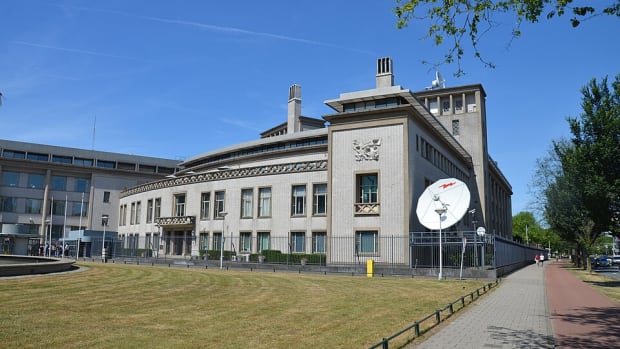
The ICTY tried the perpetrators but failed to establish why the Yugoslavia Wars took place

Following the series of wars in the former Yugoslavia at the end of the last century, a tribunal was established to try war criminals. As a court, the International Criminal Tribunal for the former Yugoslavia was successful, but it failed to uncover the reasons behind the wars, according to UvA historian Petar Finci.

After several bloody years, in 1993 – amidst the ongoing conflicts in the former Yugoslavia – the International Criminal Tribunal for the former Yugoslavia (ICTY) was established to bring individual war criminals to justice. The cases heard by the ICTY helped to establish the facts of what had happened, but did not address the question of why. The court remained divided over the motives behind the war.
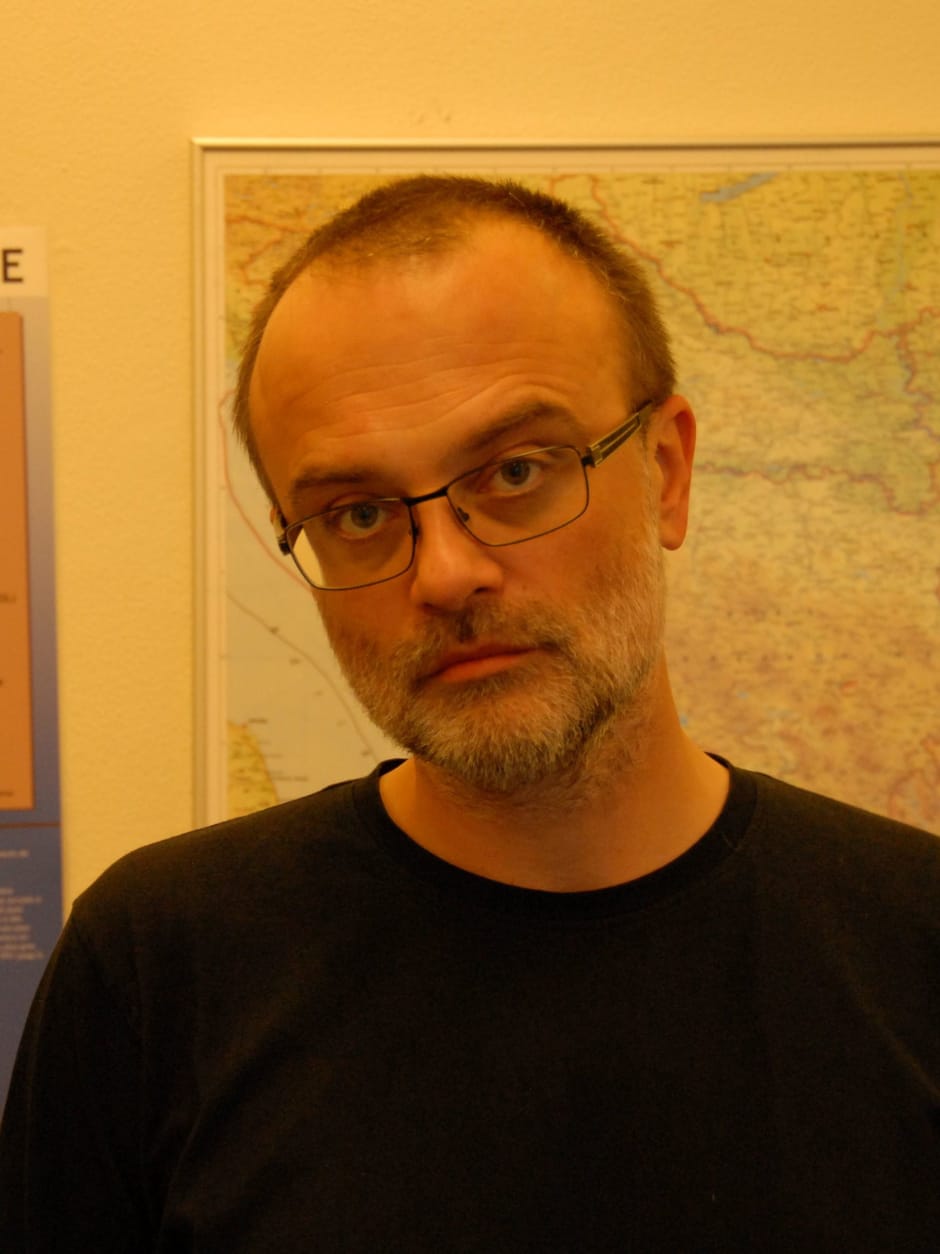
The ICTY indicted 161 people for their crimes. By far the majority (90) were found guilty by the international court. What the tribunal failed to do was to present a clear account of why the atrocities had taken place, according to Finci, who is defending his PhD thesis on this subject today.
Time for a brief history lesson. The Yugoslav Wars consisted of three wars that took place in the territory of the former Yugoslavia between 1991 and 2001. The conflicts arose following the death of Josip Broz Tito, who ruled the united state in the Balkans from the middle of the Second World War until his death in 1980. There was little unity amongst the fragmented ethnic groups in the country, each of which held its own nationalist ideals. And Tito's death meant nationalism was no longer suppressed. Yugoslavia fell apart and a series of ethnic cleansings and conflicts ensued, claiming many lives.
Motivation
The Yugoslav Wars, which took place between 1991 and 2001, were a series of conflicts between various ethnic groups and countries in the Balkans. The fighting existed not only between countries, but also comprised wars of independence and internal conflicts between ethnic groups. This made questions regarding responsibility and the motivations behind the conflicts complex. There was no clear winner or loser.
It is precisely these motives behind the wars that are important for establishing a historical truth, argues Finci. Currently, in the former Yugoslav countries (which are now Slovenia, Croatia, Bosnia and Herzegovina, North Macedonia, Montenegro, Serbia and Kosovo), there is an overwhelming national narrative of victimhood. Finci: “In each of these countries, they claim to have been the victims of aggression by other groups and that the war was a war of self-defence.”
No single, clear-cut narrative
How is it that the tribunal was successful in prosecuting the perpetrators, yet presented such a fragmented narrative to the outside world? “That is down to the way the ICTY was set up,” explains Finci. Each case was dealt with individually, spread over a period of twenty-four years. The judges were not required to take into account rulings from previous cases, and approached each one with a fresh perspective. This led to conflicting conclusions about the historical truth, says Finci. Who was guilty and who was not? And why had the conflicts arisen?
The ICTY was established by the United Nations Security Council as a court to try members of all the groups involved in the conflicts in the Balkans for their crimes. The motives behind the conflicts were secondary and receded into the background in contrast to the primary objective: to determine the guilt or innocence of the accused.
Other charges
As the years went by, the accused were charged with conflicting offences. Instead of a breach of the Geneva Conventions – which required proof that the war was international in nature and not merely a civil war – the charge became one of criminal conspiracy, which did not require the involvement of other countries. This also changed the narrative regarding which parties were responsible. Whilst the role of states was indirectly alluded to in the former charges, it remained irrelevant in latter. “In principle, the tribunal had no jurisdiction over states, only over individuals,” explains Finci. However, the nature of the charges did allow for references to the culpability of states.
Even if the tribunal had produced a clear narrative regarding the motivation behind the crimes, this would not have changed the prevailing perception in the Balkan countries, Finci believes. “The elite would probably always have put forward a narrative of victimhood and self-defence.”
One of the most well-known events is the Srebrenica genocide. During the war in Bosnia and Herzegovina, Bosnian Muslims had fled from surrounding areas to the village of Srebrenica to escape the Bosnian Serbs. The village, situated in eastern Bosnia, became an enclave that was the only one under Muslim control. The Dutch military unit DutchBat III arrived in January 1995, on a United Nations mandate, to provide protection for the Bosnian Muslims. On 11 July of that same year, the Bosnian Serbs, led by General Ratko Mladić, stormed the town with overwhelming force. The Dutch unit witnessed the deportation of more than 8,000 Muslim boys and men, all of whom were shot dead shortly afterwards. The events in Srebrenica are regarded as the largest genocide on European soil since the Holocaust. At the International Criminal Tribunal for the former Yugoslavia (ICTY), 20 people were convicted of the crimes committed in Srebrenica, including Mladić.
Narrative of victimhood
The nationalist narrative of victimhood is evident in the glorification of General Ratko Mladić, who died last month at the age of 84 in the prison hospital in Scheveningen. In 2017, he was convicted by the International Criminal Tribunal for the former Yugoslavia of war crimes, crimes against humanity and his role in the Srebrenica genocide (see box). He was sentenced to life imprisonment. After his body was returned to Serbia, he was commemorated with a large-scale, honourable funeral in Belgrade. He is regarded by many Serbs as a national hero and protector of the Republika Srpska (an entity in Bosnia and Herzegovina with a predominantly Bosnian-Serb population, ed.), wrote the NRC.
“Mladić is hailed as a hero by the elite and some sections of the media. There is another side to the story, too, but it receives far less coverage. The day before his funeral, a small LGBTIQ+ event was organised in the neighbourhood, at which participants emphasised that this was not their Serbia and that they would not be celebrating Mladić’s life,” says Finci. It may not be the only narrative circulating, but the story of victimhood and the glorification of figures such as Mladić remains dominant. This narrative is reinforced by politicians and the elite, explains Finci. And the independent media outlets telling a different story are under pressure, according to the NRC.
Problematic
Why is it problematic that the ICTY failed to write history? The absence of an objective historical truth following the Yugoslav Wars has been an obstacle to transitional justice (the process of political transition following a period of human rights violations, ed.) after the civil war, says Finci. “It is common practice for various bodies to be set up after a war to investigate the past and attempt to reach a certain degree of understanding between the groups regarding what happened. In the former Yugoslav countries, an attempt was made to establish a truth and reconciliation commission, but this failed.”
There is currently no clear alternative to the nationalist narrative of victimhood, Finci believes. “In my experience, nothing the ICTY said would have had any influence on the prevailing narratives. But at least there would then have been a narrative about the ‘why’ to fall back on.”