Willemijn van Dolen | What happens to the economy when people stop making impulse purchases?

More and more people are using weight-loss medication to suppress their appetite. But what does that mean for an economy built on desire and impulse? Now that millions of people are craving fewer snacks and less fast food, columnist Willemijn van Dolen wonders: could part of our consumer drive disappear along with it?
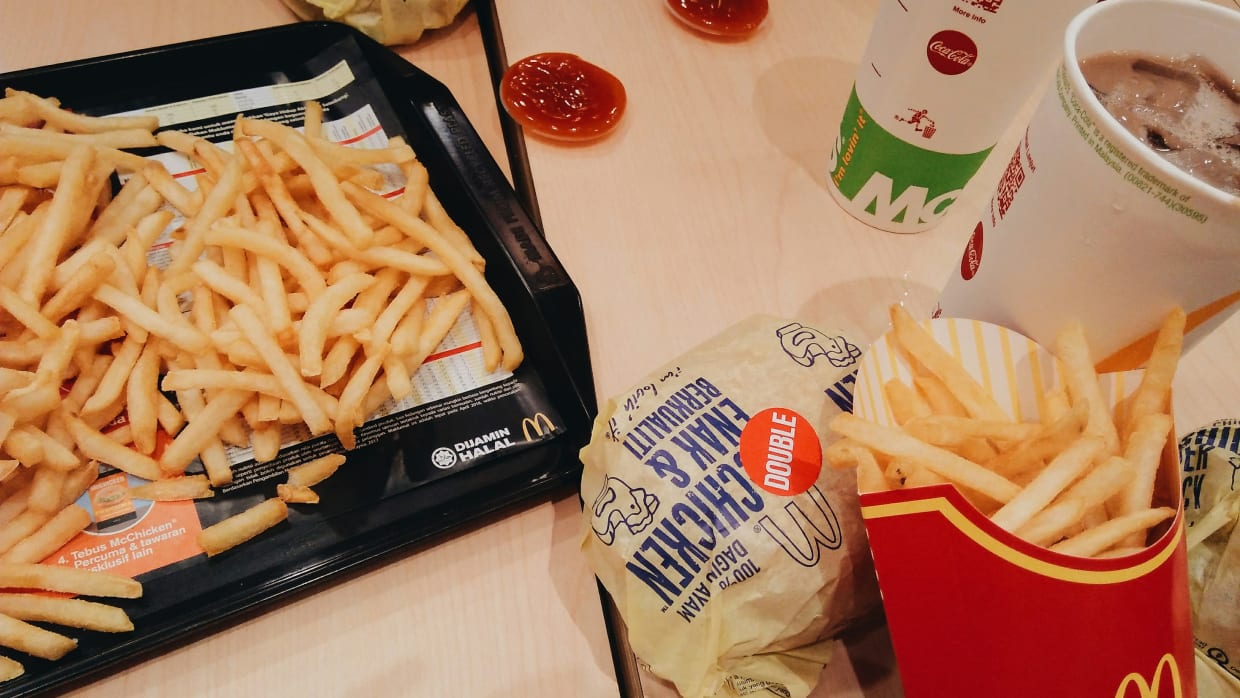
You probably know the feeling: waiting for the train after a long day and absentmindedly buying something to eat at the kiosk. Not because you’re truly hungry, but because it’s there. A snack bought out of habit, boredom, or convenience. For years, companies have built entire business models around this kind of behavior: small, frequent purchases driven by impulse. But what happens when that impulse suddenly disappears?
GLP-1 medication, originally developed for diabetes and increasingly used for weight loss, seems to do exactly that. It suppresses appetite — not by convincing people to eat less, but because they simply want food less. And that raises a question that goes far beyond nutrition: what does this do to the economy surrounding it?
A recent article in Harvard Business Review offers a first glimpse of an answer. Based on an analysis of more than 11,000 American households, grocery spending drops by six to eight percent within twelve months in households where a GLP-1 user is the primary food shopper. That is a striking decline in a category that normally changes slowly and predictably. At the same time, overall household consumption falls by only two to three percent. The money does not disappear. But where does it go?
Snacks, fast food, and other convenience products are bought less often, while demand for nutritious and functional products appears to rise. Spending on clothing increases by four to five percent around six months after starting the medication. Fitness and wellness are gaining ground. Even the way people dine out seems to be changing: less fast food, more emphasis on social and meaningful dining experiences. Researchers call this spread of effects across categories the “ripple effect”. What begins as less desire for a bag of chips apparently ends with a new pair of jeans. Is this just a temporary adjustment, or the beginning of something structural?
Desires change
The scale of the phenomenon makes that question urgent. According to the article, 14 percent of U.S. households are already using GLP-1 medication, while another 24 percent say they would consider it once costs, insurance coverage, and accessibility improve. The Netherlands is lagging behind, but growth is clearly visible, according to the Dutch Foundation for Pharmaceutical Statistics (SFK).
What does this mean for brands built on impulse, habit, and volume? Can they adapt to consumers with a fundamentally different relationship to food, or are their business models too deeply rooted in old patterns of demand? And what if the effects do not stop at food?
For years, companies have learned how to steer our attention and desires. But what happens when those desires themselves begin to change? If tomorrow’s bag of chips becomes a gym membership, and the new pair of jeans is no longer an impulse purchase but a conscious choice, then perhaps it is not only the consumer that is slimming down — but the old business model as well.