Willemijn van Dolen | A sugar tax makes soft drinks far less tempting

That teenagers between 12 and 16 consume around ninety sugar cubes through soft drinks may not strike them as unusual. The fact that it feels normal is no coincidence, writes columnist Willemijn van Dolen. “Soft drinks are cheap, and their marketing cleverly plays into taste, image, and habit.”
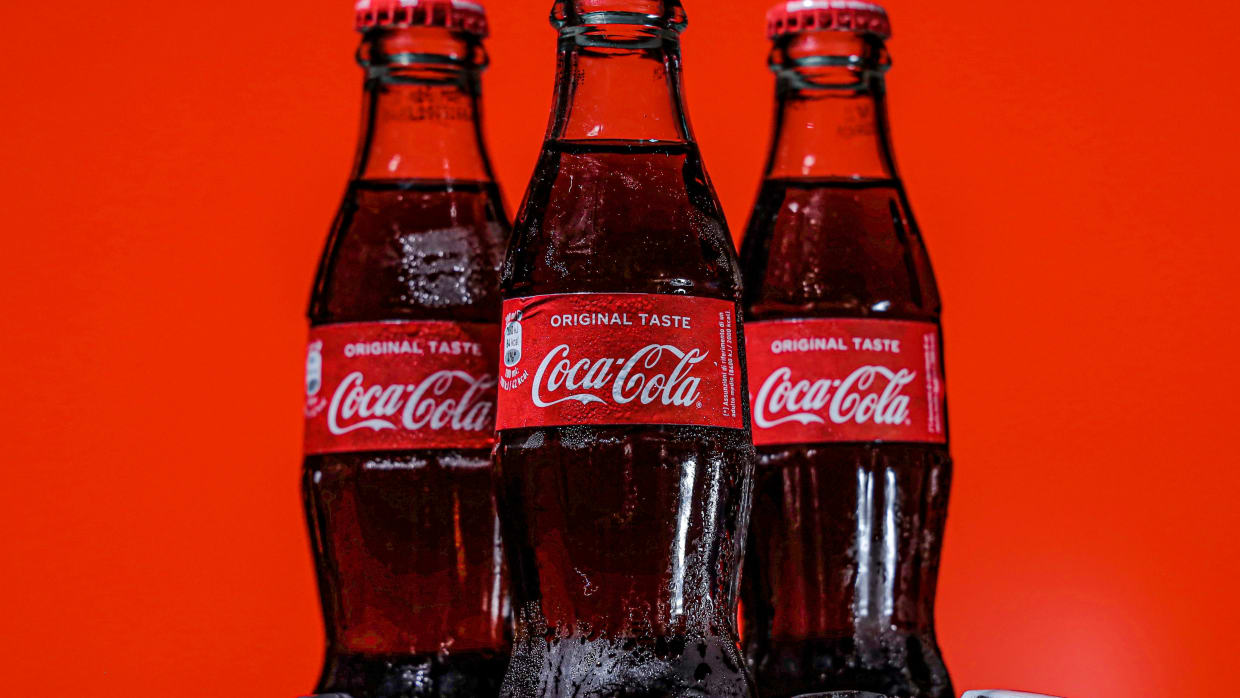
Today, the news reported that Dutch teenagers are consuming staggering amounts of sugar. According to recent research by the GGD Amsterdam and Vrije Universiteit Amsterdam, half of 12- to 16-year-olds ingest roughly ninety sugar cubes per week from soft drinks alone. Most teenagers consider this normal, but health experts are concerned because of rising rates of overweight and an increased risk of diabetes.
Sugar tax
That it feels normal is no accident. Soft drinks are inexpensive, and the marketing surrounding these beverages smartly taps into flavor, image, and habitual behavior. Sugary drinks – including regular sodas, fruit juices, lemonade, iced tea, sports drinks, and energy drinks – are prominently displayed on supermarket shelves. Calls for introducing a sugar tax to reduce consumption are growing louder and more frequent.
But does such a tax actually work? Yes, it does. Research by my colleague Jonne Guyt and his co-authors shows that a soda tax does more than simply raise prices; it also changes how brands sell and promote their products.
Decline
Their study found that when a soda tax is introduced, producers and retailers reduce the frequency of promotions and significantly cut back on discounts. Not only do soft drinks become more expensive, they are also less often placed in the spotlight. As a result, their appeal declines not only through consumers’ wallets, but through marketing as well. The researchers discovered that these shifts in promotional strategies account for a substantial portion of the decline in soft drink sales, on top of the price increase itself.
These insights are particularly relevant when considering the figures among teenagers. Simply making sugary soft drinks more expensive could already help, according to the GGD-VU researchers: respondents indicated they would buy less if a can cost more than three euros. But Guyt and her colleagues remind us that the impact of a soda tax extends beyond price alone; it alters the entire commercial dynamic.
It is easy to point to individual choices – children who simply drink too much. But when the environment is saturated with cheap, sweet beverages heavily promoted at every turn, those choices are not as “free” as they appear. Perhaps the answer is not a strict moralizing message about sugar. Perhaps it is a sensible combination of policy, price incentives, and a reconsideration of how soft drinks are presented in our society. Because if policy can change marketing strategies, it can certainly change our habits.