
The UvA wants ten percent more female professors in five years – how feasible is that?

From thirty to forty per cent female professors by 2030; that is the ambition the UvA recently set out. This means a great deal will have to happen in the coming years. “This is not something you can fix overnight.”

Little by little, the percentage of female professors at the UvA has been increasing slightly each year. For 2025, the university set itself the target of reaching thirty per cent, and now that this has been achieved, it is aiming for a target of forty per cent by 2030. This means that, over the course of five years, a gain of nine and a half percentage points must be made when it comes to female professors. An ambitious plan, but is it realistic?
By way of comparison: between 2020 and 2025, the UvA managed to raise the percentage of female professors from 23.8 to 30.5 per cent. A substantial increase as well, but still smaller than the rise required to meet the target for 2030.
How to become a professor?
First of all, the question: how do you actually become a professor? The answer is not entirely straightforward. According to the UvA’s professorial policy, prospective professors must in any case “be responsible for teaching and research and demonstrate their qualities in both areas”, but leadership skills are also required in order to be considered for the position. So while the university has formulated a number of quality criteria, there does not appear to be a clearly defined pathway towards a professorship.
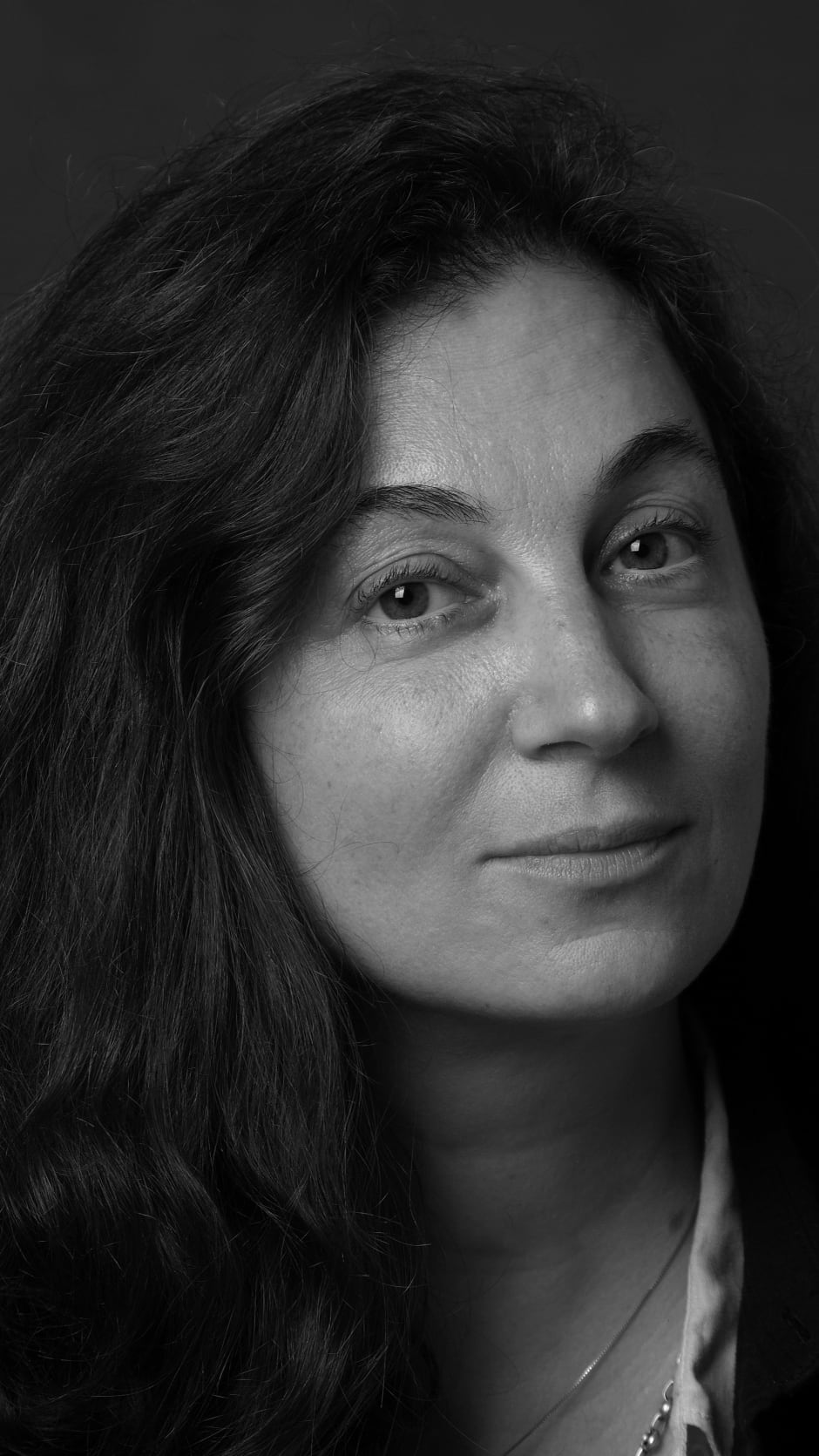
Marie-Aude Baronian sees this too. She specialises in cultural, film and philosophy studies and has been an Associate Professor (UHD) – the position one step below full professor in the academic hierarchy – at the Faculty of Humanities for twelve years. “There is no fixed trajectory towards a professorship, not for female associate professors either. That could be one reason why the percentage is not rising more quickly,” says Baronian.
Million-euro grant
Because although, looking at her own career, she believes she meets the description as formulated in the UvA’s professorial policy on paper, she sees that in practice there is another requirement. “Securing a million-euro grant carries enormous weight. I have gained a great deal of experience in research, publications, PhD supervision and management, but without such a major grant it seems impossible to become a professor in the humanities.” Columnist Han van der Maas recently referred to this phenomenon as well.
She believes this has to do with her area of expertise, and that it is an obstacle faced by several female scholars in the humanities. “Fields in which many women work are sometimes taken less seriously and seen as feminine. As a result, securing large sums of funding there is not easy. But does that mean I should start working with different areas of expertise in order to bring in more money and perhaps still become a professor? It is a dilemma I see among many women around me.”
Girls on the shop floor
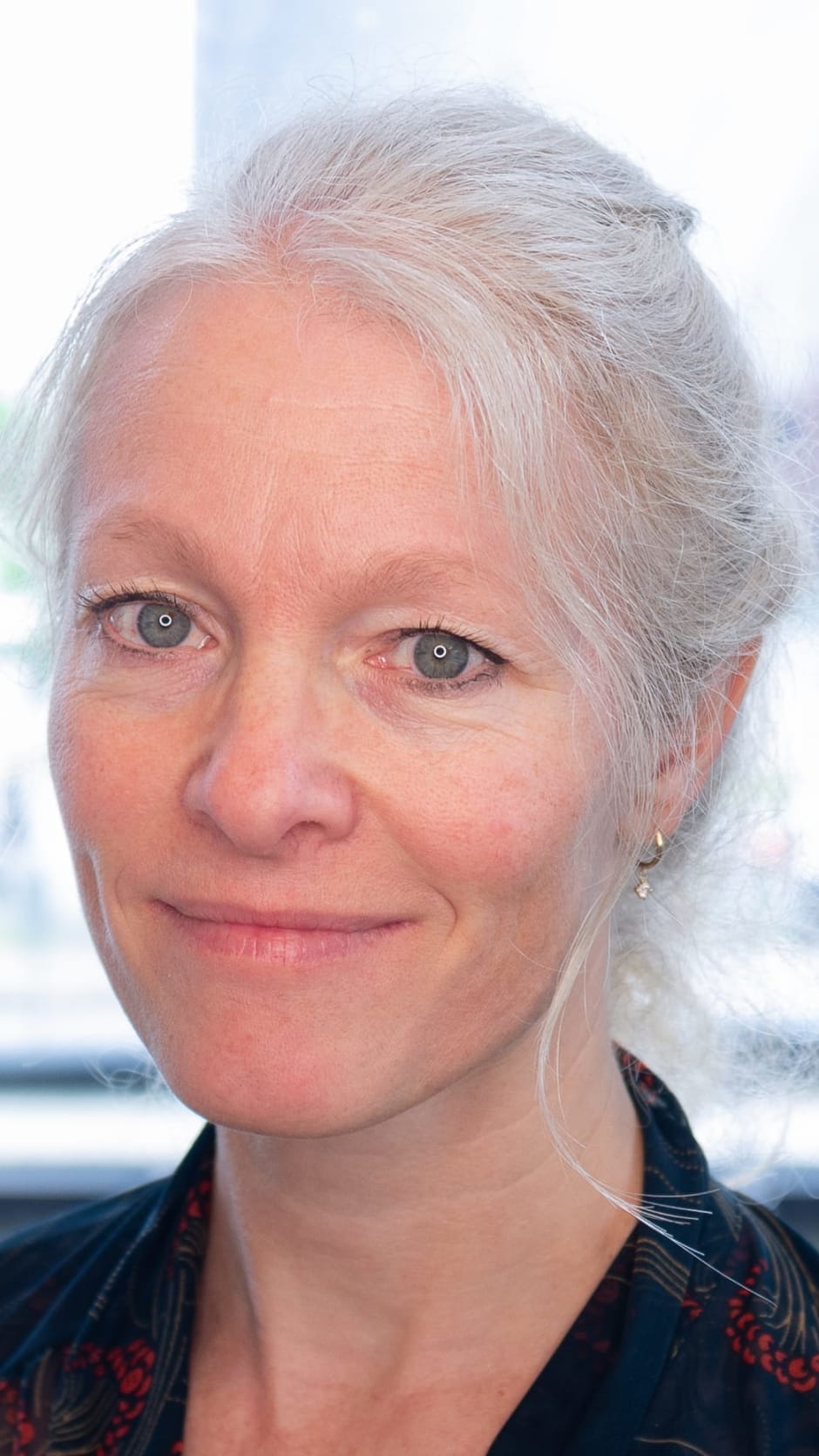
Mirjam Fransen, Associate Professor of health literacy and public health at Amsterdam UMC, has also seen throughout her career that it has not always been easy for women to make it far in academia. “More than twenty years ago, I worked in a department – not at Amsterdam UMC, incidentally – where people jokingly spoke of ‘the gentlemen of management and the girls on the shop floor.’ In that sense, the position of women has changed in the meantime. Nowadays, there are actually many women working in my field, including in senior positions.”
Yet, like Baronian, Fransen does not feel that the university maps out a clear and self-evident pathway to help ambitious female researchers progress towards a professorship. “At a certain point, the support drops off a bit. This calls for a proactive and strategic approach. I think a mentor figure could really help with that. Someone who, for example, reinforces the feeling that the university is genuinely encouraging you.”
Pregnancy
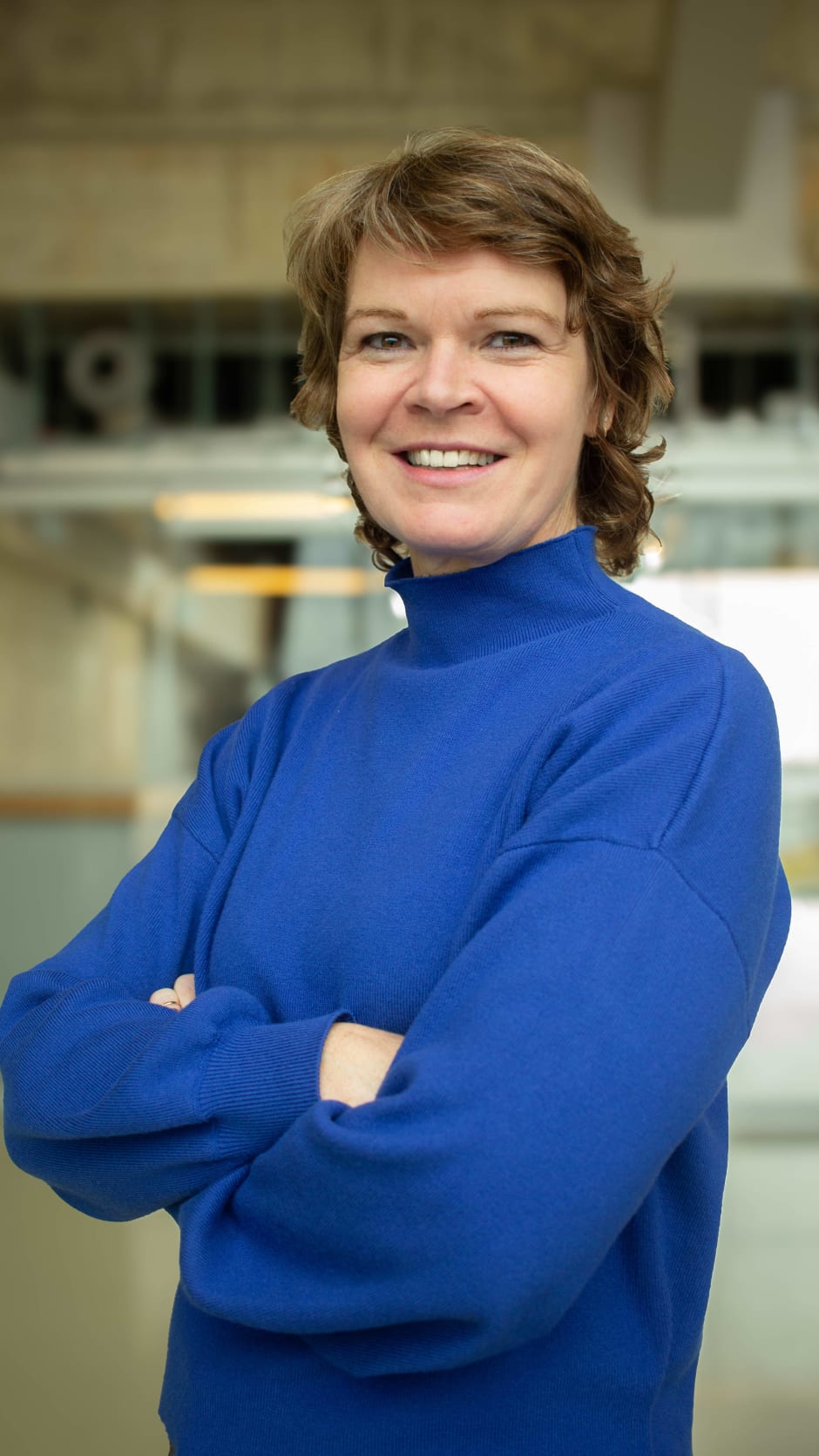
And then there is family life as well. Even on a purely physical level, pregnancy and childbirth naturally have a major impact on women, as Professor of Anthropology Rachel Spronk also emphasises. She specialises, among other things, in gender and sexuality.
“Returning after a pregnancy is tough,” says Spronk. She speaks from experience: after her own pregnancy, the professor was given extra time by the research funding body NWO to submit a research proposal, for which she ultimately received a grant. “That NWO policy genuinely made it possible for me to succeed. If I had not been given that extra time, I would not have recovered sufficiently. It really does make a difference, that is certainly something the UvA could also do.” An earlier Folia article had already shown that pregnant researchers can face an unfair disadvantage even during their PhD, as they are not granted additional time.
The UvA itself says the following about the target: “The UvA invests in measures designed to make the university an even more attractive employer. Think of career guidance, leadership development, transparent appointment procedures, and attention to work–life balance. Faculty plans form the foundation for this: each faculty develops its own approach that suits the local situation and challenges. In doing so, faculties also explore collaboration with one another.”
In addition, Spronk also mentions the menopause as a potentially complex hurdle that women have to overcome. “It is a stage of life that has a major physical impact, and it often occurs precisely during the period in which you might be aiming to become a professor. It is a taboo subject to which the Central Works Council has also been devoting increasing attention.”
Although she acknowledges that it will be quite a challenge for the UvA to meet the 2030 target, Spronk believes that formulating such an ambitious goal is nevertheless meaningful. “Naming and shaming. How bad does it look if you fail to meet your own targets? So it is good that all these figures are made transparent. That way, we can see the entire career pipeline, including where the inflow stagnates and where policy interventions are therefore needed.” Her final advice: do not think in terms of ad hoc solutions, but take the time to develop a long-term plan. “This is not something you can fix overnight.”