
Open Monument Day: five buildings you should see according to this UvA professor

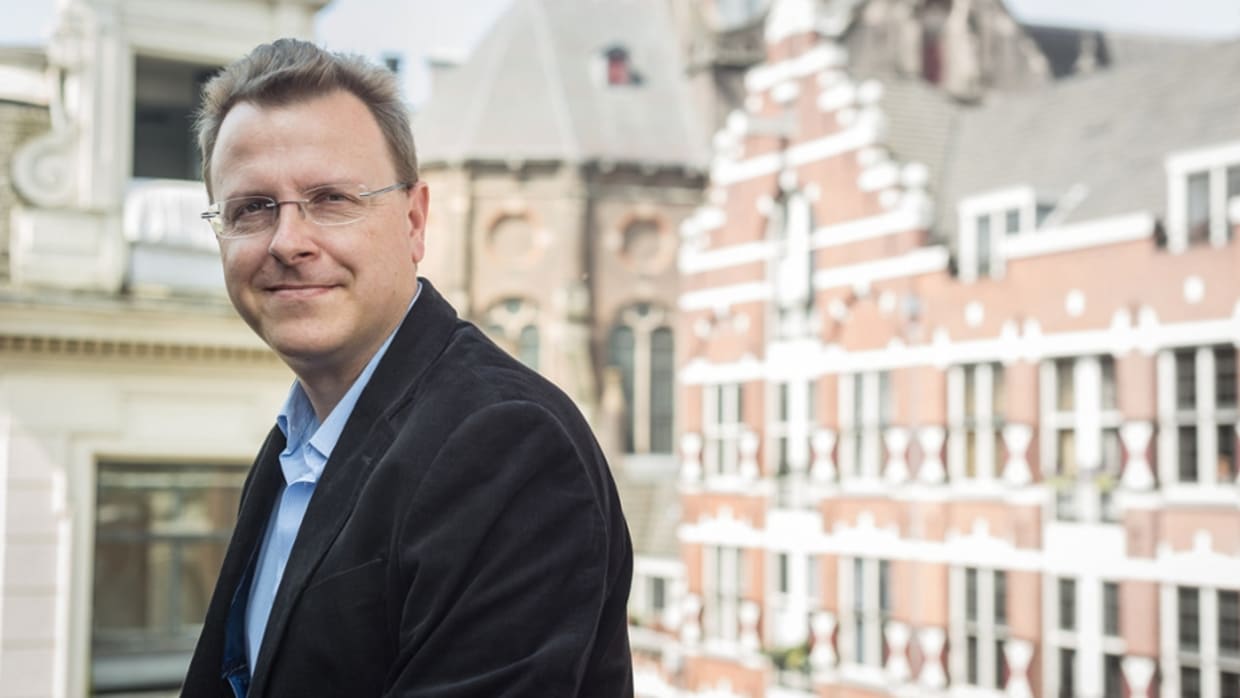
Heritage Open Days are just around the corner, and once again this year there’s plenty to discover in historic Amsterdam. With so many treasures on show, enthusiasts will be spoilt for choice this weekend, and the wealth of architectural gems can make it hard to know where to start. That’s why Professor of Urban Identity and Monuments Gabri van Tussenbroek has picked out five buildings you simply mustn’t miss.
1. Depot North/South Line
Rokin 115, Amsterdam
“Most of the North/South metro line was constructed by tunnelling, but in some sections – such as at Rokin station – the ground was excavated instead. There, a total of 700,000 artefacts were uncovered beneath the surface, offering a glimpse into Amsterdam’s material culture through the ages. These aren’t just everyday objects such as knives, pots and jugs that once fell into the water, but also fragments of buildings. Building materials were largely transported by water back then too, so in the depot you’ll now find, for example, broken pieces of façades, a fireplace and 17th-century locks and fittings.”
“That staggering collection of odds and ends paints a vivid picture of the materials used to build the houses that still surround us in Amsterdam today. You could ride the escalator up and down ten times and still not take in all the finds properly.”
2. Oude Kerk
Oudekerksplein 23, Amsterdam
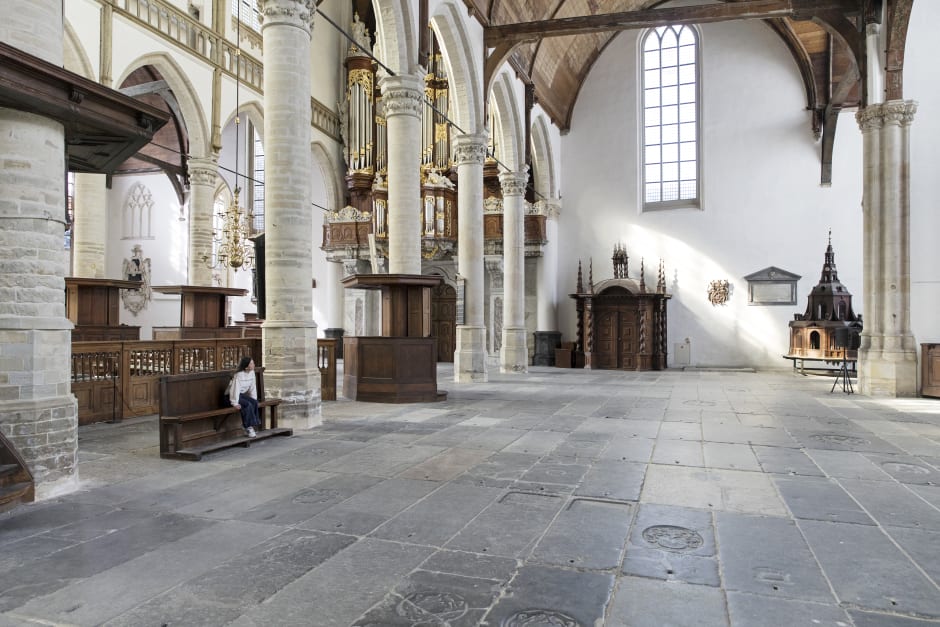
“Where in the North/South Line depot we see the fragments of history, at the Oude Kerk you find that centuries-old story gathered into a single building. In the thirteenth century there stood a wooden church here, but by the early fourteenth century it had been replaced by a small stone one. Over the centuries that little church was steadily enlarged. As the city grew and its population increased, the poor parish priest found his church constantly too small. More had to be built on again and again, and from about 1370 we can clearly trace that development.”
“So walk through the church and see how the building’s growth mirrors the growth of the city itself. Take the tower: inside still stands the small fourteenth-century core, its spire dates from the sixteenth century, and in the eighteenth century the whole tower was reinforced with brick. That layering of history runs through the entire building. Look, too, at how the church has been used over the years and the different ideas that went with that. Inside you really get a sense of what the city was like in the Middle Ages.”
3. The House of Nassauwen
Kloveniersburgwal 47, Amsterdam
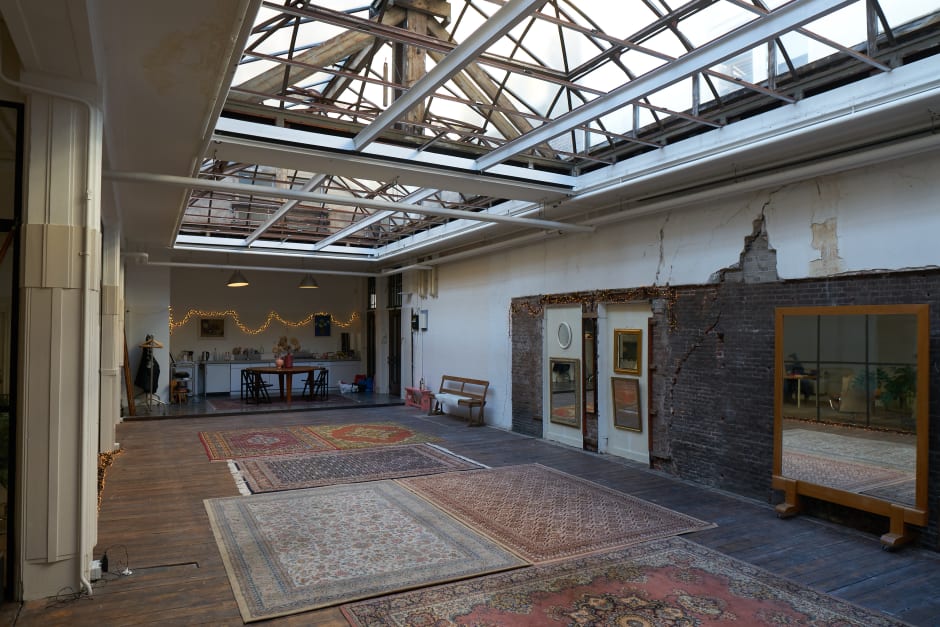
“The Oude Kerk is, of course, unapologetically ancient, but another fine example of Amsterdam’s building history is a seemingly modest property such as the House of Nassauwen, diagonally opposite the Bushuis at Kloveniersburgwal 47. In the late sixteenth century, ever more affluent people were moving to Amsterdam, making the city extremely crowded. The housing market was even worse than it is today. So the city authorities decided to expand and develop new areas. This building is a good illustration of that. At the time, the area was very much on the ragged edge of the city, but with the expansion it was redeveloped and suddenly became a proper residential quarter. Investment poured into the buildings and rents doubled within a few years.”
“But demolishing a building and completely replacing it with something new is something that only really started happening in the Netherlands at the end of the nineteenth century. With pre-modern buildings you therefore often see that the core of the property is centuries old, while the interiors and façades have been altered later. That is also the case with the House of Nassauwen. From the street you can see a ground-floor frontage in natural stone dating from 1920, above that an eighteenth-century façade, and right at the top two roof structures that still date from around 1600. This was the way building went on in the Netherlands for a very long time: the ‘hardware’ of a building was extremely robust and often stood for centuries, even as the structure around it was renewed. That layered shell of different historical periods is contained within it.”
4. De Vriendschap Windmill
Utrechtseweg 11a, Weesp
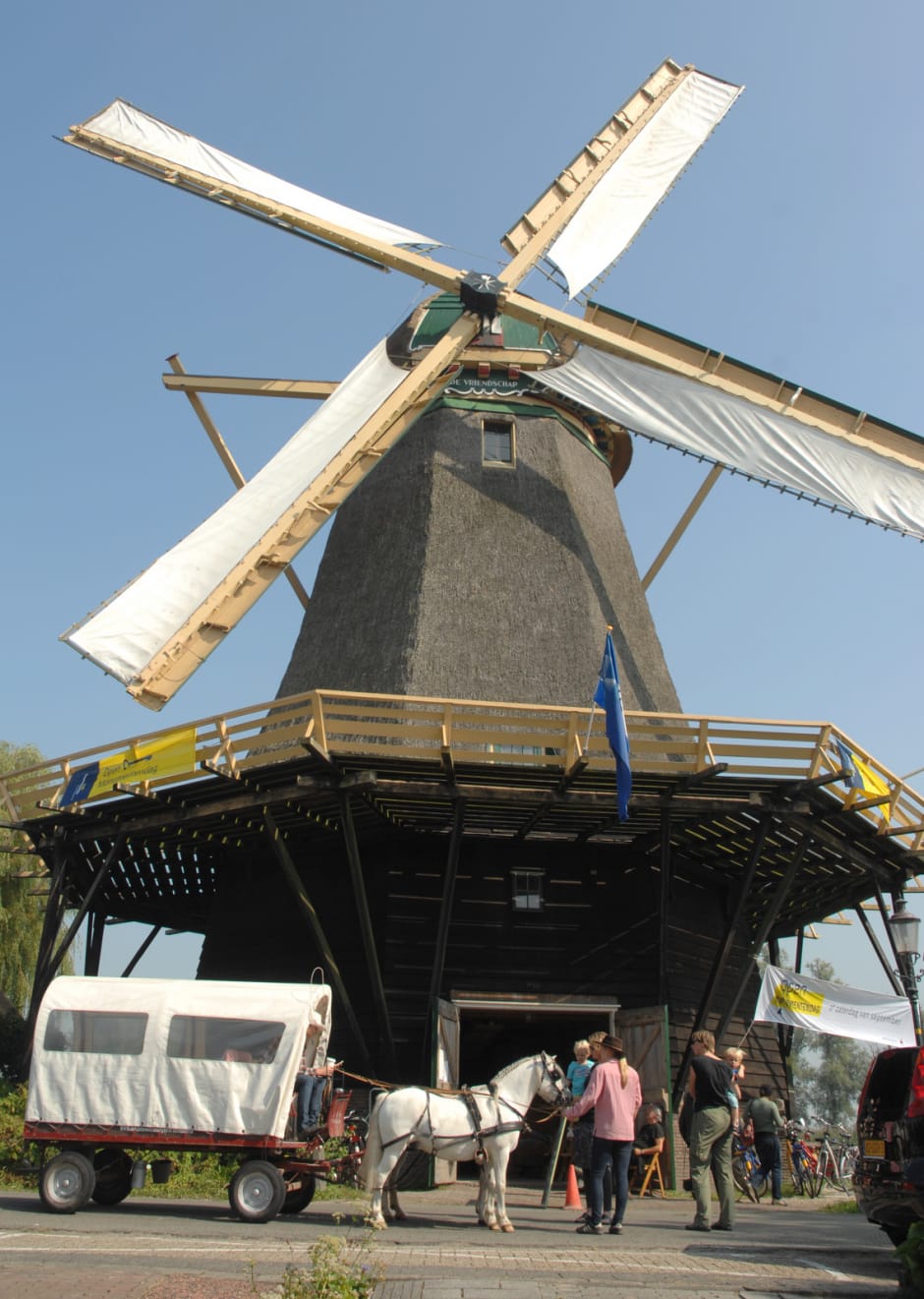
“This windmill is another fine example of the city’s ever-shifting fringes. It was originally an Amsterdam mill which, as the city expanded, had to be moved out to the edge. In the nineteenth century Amsterdam industrialised, neighbourhoods like De Pijp and Oud-Zuid were built, and so the mills there had to go. At the time, windmills were very much regarded as machines you could simply pick up and relocate. It was quite a job, but nothing a skilled millwright couldn’t handle.”
“That’s exactly what happened with De Vriendschap. The mill is made up of seventeenth-century parts and is genuinely old, having served Amsterdam for many years, but it has stood in Weesp for as long as anyone can remember and is now part of the town’s fabric. It is still actively used today: flour is milled there and there’s a small shop attached. You can experience the craft up close.”
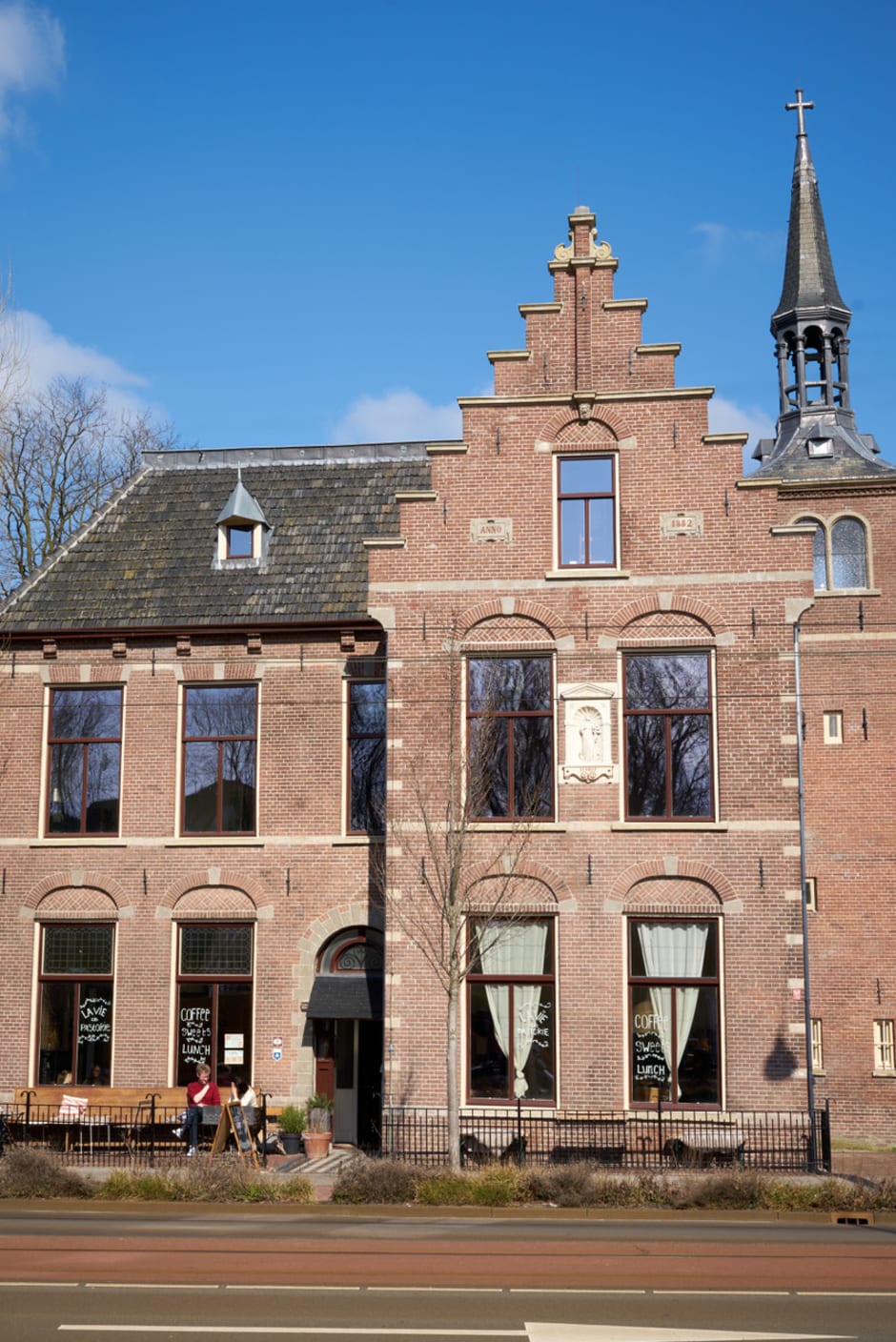
5. The Rectory in Diemen
Hartveldseweg 24, Diemen
“What’s so nice about this building is that the rectory has very recently been given a new lease of life. Empty churches are a growing issue in the Netherlands; the question is often what to do with them. We want to preserve this heritage, but above all to keep the buildings in use. The rectory in Diemen was recently bought by Stadsherstel, who restored it. In the process the property was not only refurbished but also subjected to an architectural-historical study.”
“That research looked at which aspects of the building were special and needed to be respected, so that a good balance could be struck between preserving valuable elements and creating a pleasant place to use. In Diemen that has worked out beautifully: it’s a textbook example of how we should treat old buildings. The rectory now houses a coffee bar, a yoga studio and a photography workshop space – very contemporary. This way we can go on enjoying the building.”