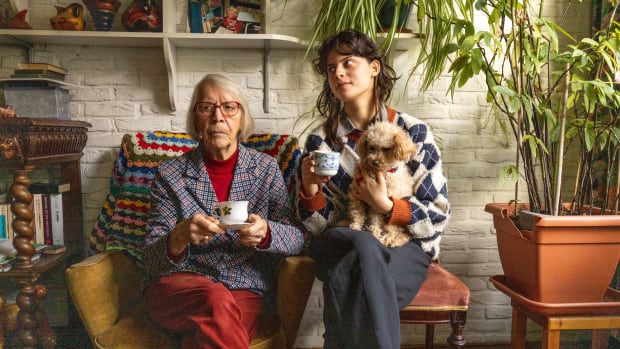
Homestay rental makes a comeback: savior in the housing crisis or smothering landlord?

The growing housing shortage in Amsterdam is reviving the landlady. International students in particular are taking advantage of this. Is this a gap in the market or just a bandaid solution? Three UvA students share their thoughts.
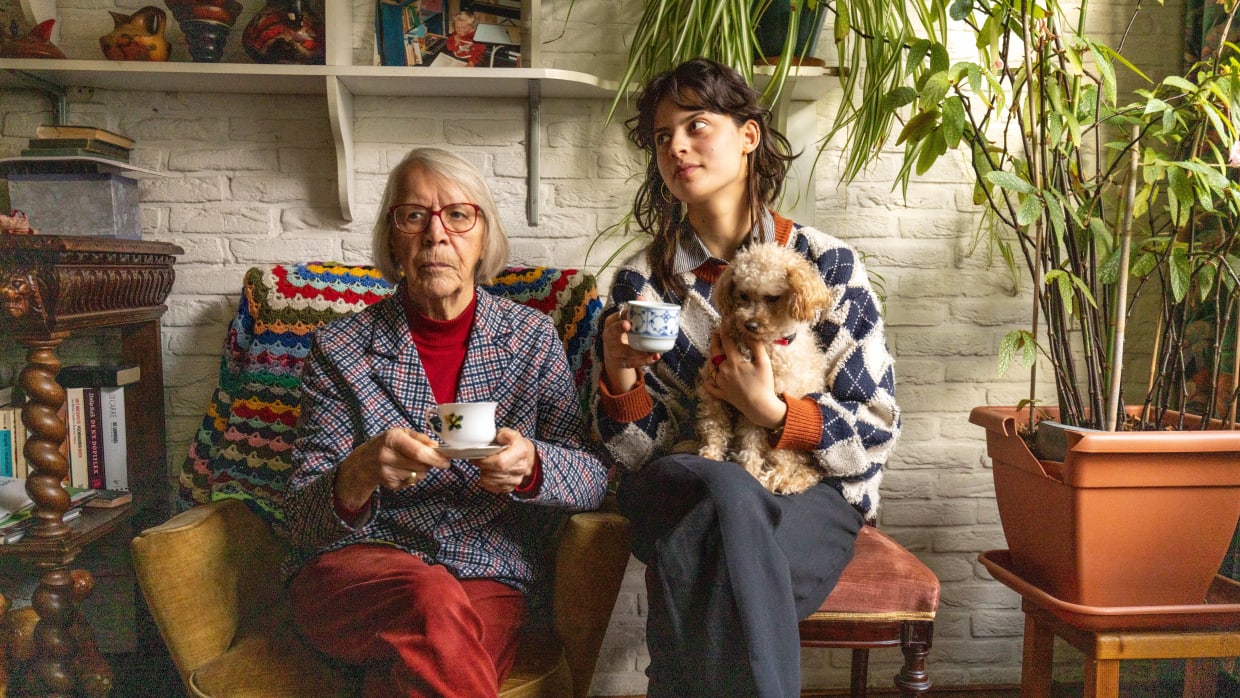
The housing shortage is becoming increasingly acute. Students looking for a room in Amsterdam are fishing in an increasingly smaller pond: the number of student rooms available is decreasing and rent prices continue to rise. Students are more and more often looking for alternatives, such as hospita housing, where homeowners rent out part of the home they live in. In the past five years, interest in hospita housing in the Netherlands has tripled.
The government is also committed to making hospita rental more attractive. Research by the Ministry shows that the potential is enormous: 8 percent of Dutch households say they are considering hospita rental.
However, there are still some snags for landlords: after a nine-month trial period, the hospita rental contract becomes a permanent contract, after which the tenant is covered by rent protection. A host can then no longer evict the tenant, even if the house is sold.
Outgoing Housing Minister Mona Keijzer wants to extend the trial period for hospita rentals to five years and make it easier to terminate the rental contract when selling a house. A vote on this proposal will take place in September. If enough parties agree, the law will come into force in July 2026.
Many international students are signing up, says Daan Donkers, founder of the Hospi Housing platform that connects homeowners with tenants. “But Dutch students are also increasingly interested in subletting.” Donkers started Hospi Housing with two fellow students from Utrecht after he had a positive experience with a hospita during his graduation internship in Colombia and became more familiar with the housing problem among international students. The platform, which started in Utrecht in 2019 with ten hospitas, now 350 households in Amsterdam have now signed up, with 5,000 across the Netherlands.
Curfew
“Landlady” still conjures up the cliché image of an older woman who sets a curfew and cooks Brussels sprouts, and who never allows you to bring visitors. That image dates back to the 1960s. It was a time of acute housing shortages, a growing number of students and widows in large cities who lived alone in large houses after the death of their husbands. Renting from a hospita was therefore an attractive alternative. Nowadays, hospitas have become much more diverse, says Donkers. “We need to get rid of the cliché image of the hospita. We also have people in their thirties and forties, couples and families who rent out rooms.”
According to Donkers, it’s a win-win situation. Not only can students rent cheaply from a landlady, but those who live with a landlady in Amsterdam pay an average of 513 euros, compared to an average of 943 euros per month for a student room in Amsterdam. It can also have advantages for hosts. Donkers: “Many landlords say they enjoy having some liveliness in the house again and being able to contribute to the housing shortage.” But what is it really like to live with a landlady? Three stories from real life.
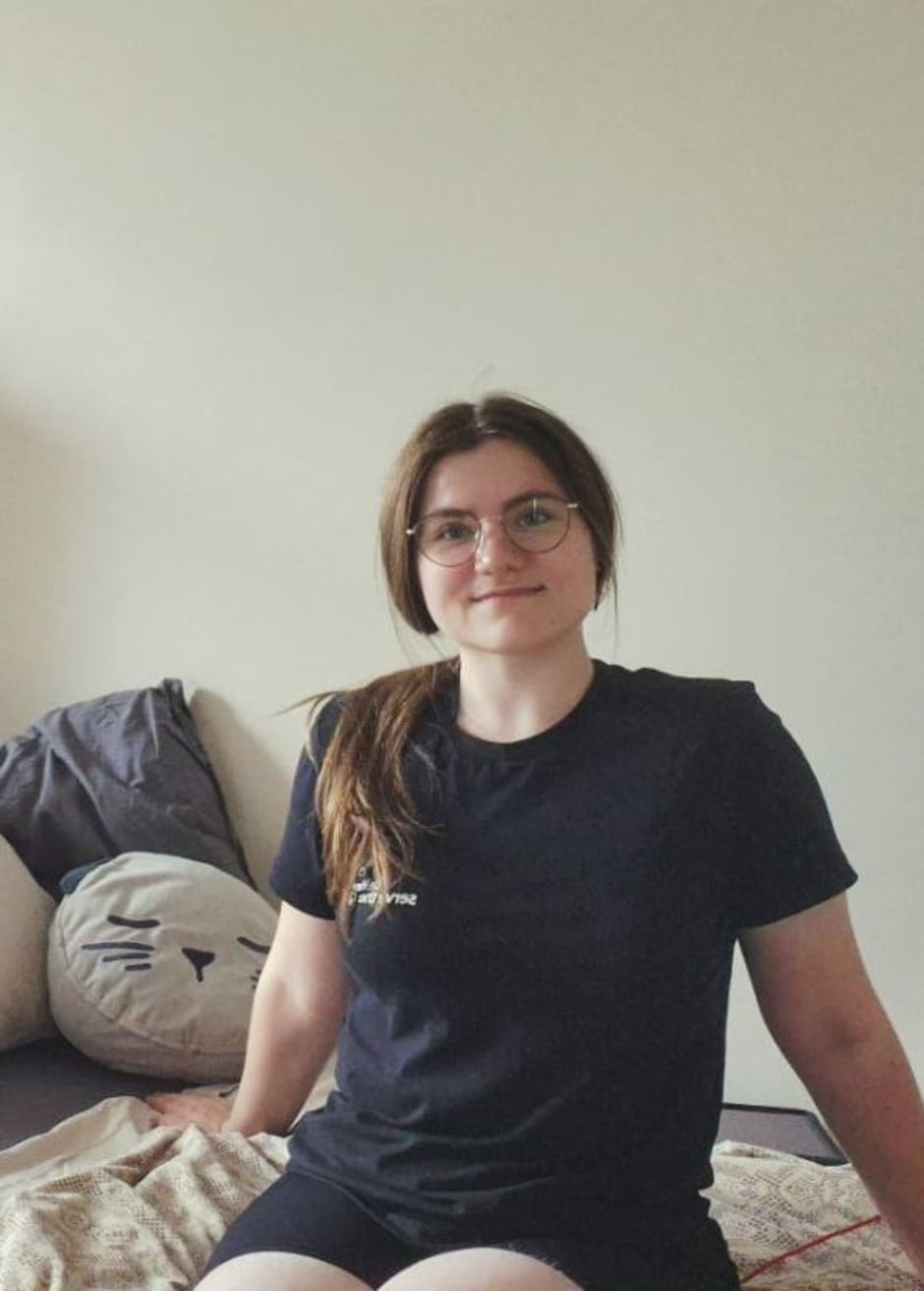
Oksana Harapyn (20)
Ukrainian bachelor’s student in Business Analytics
- Hosts: couple, 40+
- Size: 20 m2
- Location: Sloten
- Rent: €545 per month
“I mainly see advantages to living with a landlady. Renting where your landlord also lives often guarantees good living conditions.
“The couple I rent a room from in Sloten are wonderful people who respect my rights as a tenant and sometimes even teach me about them. My contract is for an indefinite period, so I’m sure I’ll be able to finish my studies and find my first job without having to look for a new place. The idea that I can’t be kicked out of my home on Christmas Eve is, to be honest, very reassuring.”
“I regularly chat with my hosts and sometimes we have tea parties with board games. When they are away, I take care of the pets. I hear a lot of people around me complaining that they have no privacy or don’t feel free with a landlady, but that’s not the case for me. The only thing that bothers me sometimes is that I might be a burden to my hosts and that they are too nice to tell me.”
“I would definitely recommend homestay accommodation to other students, especially international students. A host can also help you get to know a new country and the rules that apply there. It may not be for everyone; the tenant and the host need certain character traits – maturity and calmness – to live together happily.”
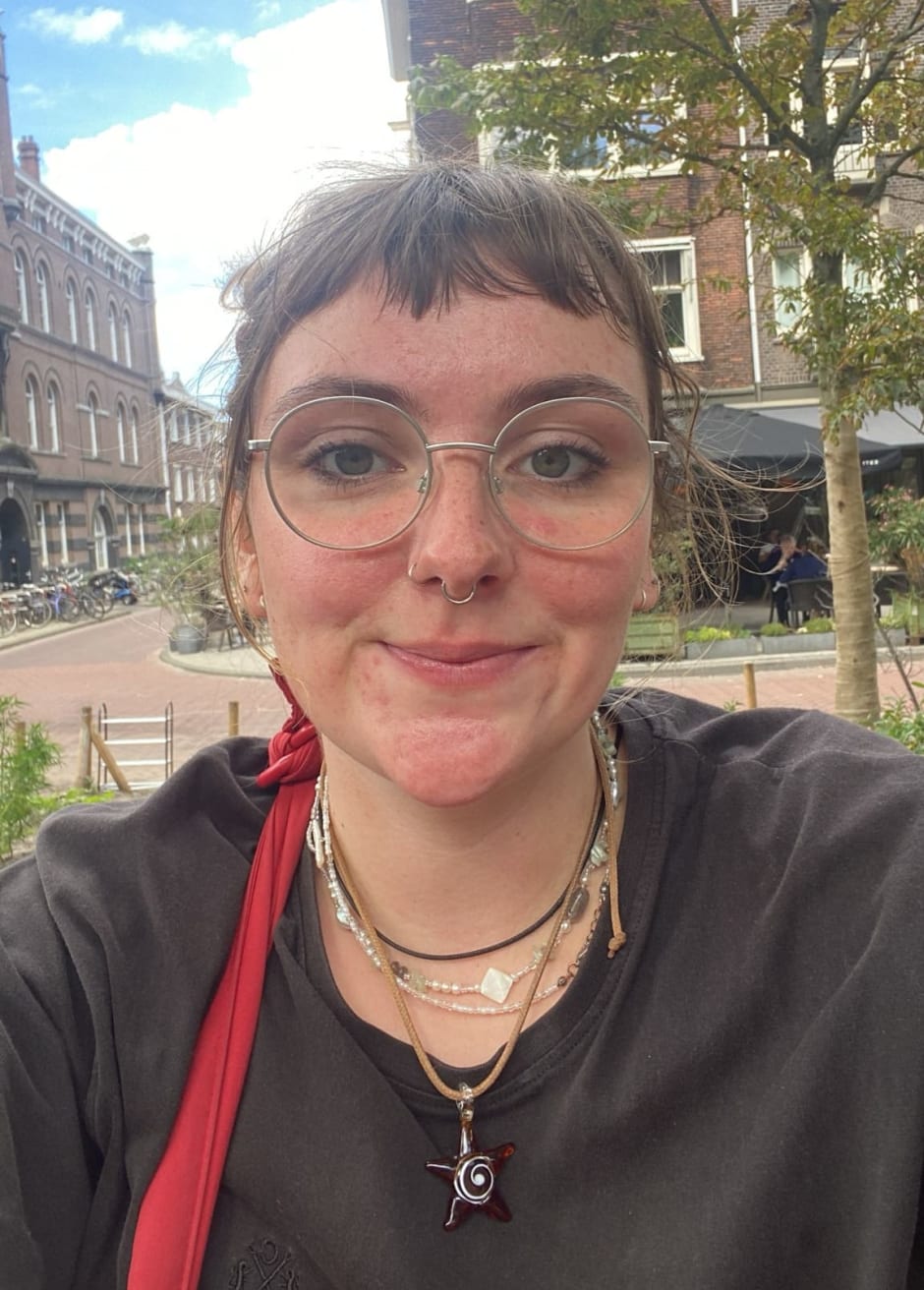
Sarah Smith (22)
Irish master’s student in musicology
- Host: female, 60
- Size: approximately 35 m2
- Location: ‘s-Graveland, west of Hilversum
- Rent: €750 per month
“Living with a landlady wasn’t the first thing that came to mind when I came to Amsterdam for my master’s degree after completing my bachelor’s in Dublin. At first, living with your landlord seemed rather strange to me. I first found a room in Almere, but it turned out to be a terrible place. Through Hospi Housing, I came into contact with Petra, a landlady in ‘s-Graveland.”
“Petra has a three-storey house, and I rent the middle floor. I have my own bathroom, kitchen and balcony. I feel free to do what I want. My boyfriend also comes here regularly, he helped Petra with the Wi-Fi, for example. The only downside is that I have to go through her living room to get upstairs, which is a bit of a nuisance. Petra and I get on well. Beforehand, she said: ‘You don’t have to talk to me.’ But I like to visit her. We drink wine and chat together. She made me a bracelet for my birthday. Petra says she also appreciates my company, and I hope she’s telling me the truth.”
“Amsterdam is a bit further away. It’s a 15-minute bike ride to the station in Hilversum, and from there it’s 20 minutes by train to Amsterdam. For a first-year student who wants to go out in Amsterdam, that’s not really ideal. The last train leaves at 1 a.m. on Saturdays. Also, there’s absolutely nothing to do here in ‘s-Graveland. We have cows, but that’s about it. But I knew what I was signing up for and I have all the space I need, so I like it. I would say, give living with a landlady a chance and don’t judge it too quickly.”
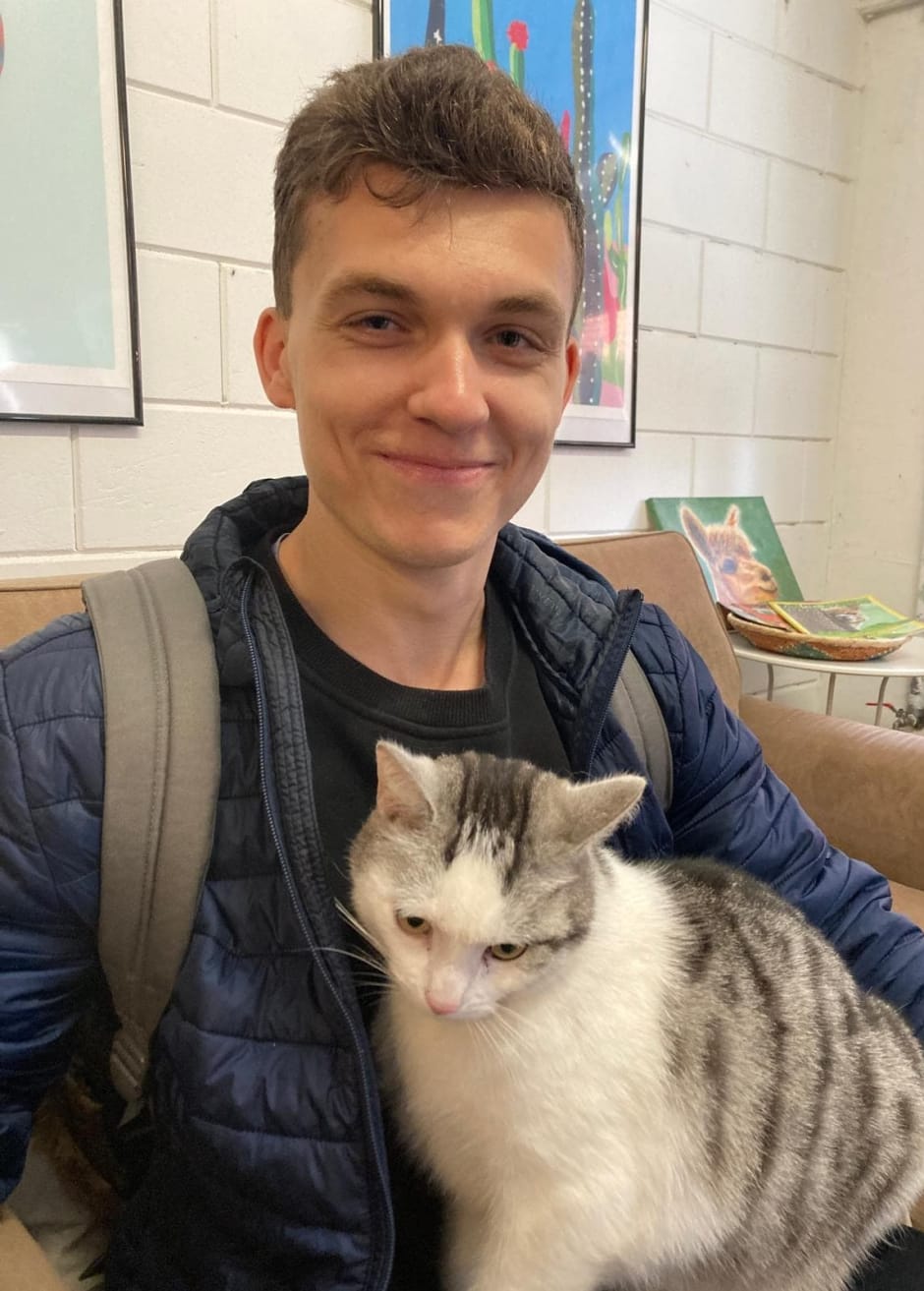
Maciek Nodzyński (22)
Polish master’s student in Brain & Cognitive Science
- Host: male, 60+, retired
- Surface area: 12 m2 (private room), 70 m2 (shared flat)
- Location: Slotermeer
- Rent: €550 per month
“To be honest, living with a host is a last resort for me. I live with an older man who has been retired for a year. I have my own bedroom; we share the rest of the flat. He’s nice, but the age difference is too big for us to become real friends. The atmosphere is friendly with occasional disagreements that get resolved relatively quickly.”
“I unconsciously follow his rules. Don’t come home too late, leave the kitchen in perfect condition, ask permission for visitors. They’re small things, but they add up over time and make me feel restricted in my freedom. What’s more, he’s always at home and plays the piano for seven to eight hours a day. However, I do enjoy the live piano music, as my host is a semi-professional piano player. It does make up for the numerous rules I have to follow, at least partially.”
“After completing my bachelor’s degree at University College Utrecht (UCU), I had to look for a room in Amsterdam for my master’s degree at the University of Amsterdam (UvA). I was not eligible for assistance from UvA Student Housing because I had already lived in the Netherlands before. At UCU, I lived alone on campus, so I had no experience whatsoever in finding a place to live.”
“The search for a room was a real nightmare. For a month, I received rejection after rejection, and it got to the point where I came up with a whole plan to start my master’s degree as a homeless person. I had already found out which homeless shelters I could go to and where I could do my laundry. Now I can laugh about it, but the need was really that great.”
“All I found on Facebook were scams. On websites like Room and SSH, you had to be registered for 15 years. It wasn’t easy through Hospi Housing either. First you have to chat with the hosts, and if you’re lucky, you get invited for an interview. After an hour-long interview, I was in the top five. After another selection round, I was in the top three. Then I didn’t hear anything more. In the end, I called him myself and he congratulated me on getting the place.”
“If I can give one piece of advice on finding a room: start early. You’ll find something eventually, but you just have to get through a pile of rejections. The game of chance will ultimately do its work.”